What happened
Bitcoin Depot filed for Chapter 11 protection on May 18, 2026, with its entire fleet of approximately 9,700 kiosks taken offline on the same day. The company held roughly a 24% global market share as recently as March 2026. Within weeks, it was gone.
The collapse was not the result of a single failure. It was a convergence of three interconnected problems.
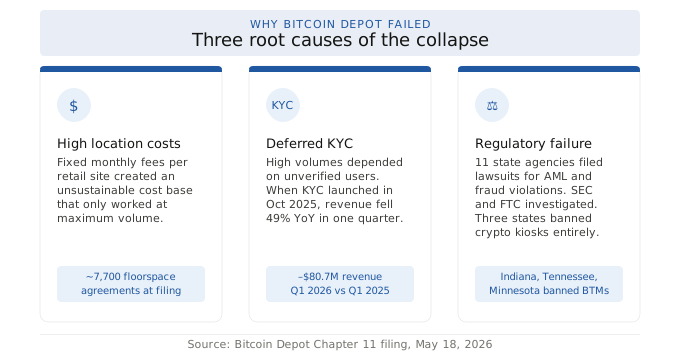
First, the company built its cost structure around high-volume transaction throughput. Floorspace agreements with retail location owners, whether structured as flat monthly fees or per-transaction payments, created a significant fixed cost base. That model works when volumes are high. It becomes untenable when they are not.
Second, Bitcoin Depot's KYC compliance infrastructure was insufficient for the scale at which it was operating. When the company finally implemented a proper KYC verification process in October 2025, it rejected and banned approximately 4% of monthly transaction volume as suspicious. The result was a revenue drop of nearly 50% year over year in Q1 2026, a swing from net income to a net loss, and a cost base the business could no longer support.
Third, regulatory pressure had been building for years. By the time of the filing, eleven state agencies had launched lawsuits or investigations alleging that Bitcoin Depot's platforms were exploited for fraud and anti-money laundering violations. Several states moved to ban crypto kiosks entirely. The company was also subject to inquiries from both the SEC and the FTC.
Put simply: a business that deferred compliance investment eventually paid for it in full.
Why compliance infrastructure is not optional
The Bitcoin Depot story is a reminder that KYC and AML are not box-ticking exercises. They are the operational foundation of a BTM business. Operators who lack the tools to identify suspicious activity at the transaction level are not just exposed to regulatory risk. They are dependent on that activity for their revenue. When regulators close in, that revenue disappears overnight.
This is precisely the dynamic that the European MiCA framework is designed to prevent. MiCA-compliant operations require robust KYC procedures, full AML coverage, and Travel Rule implementation. These are no longer optional features for operators looking to scale or enter regulated markets. They are prerequisites.
GENERAL BYTES CAS has been built with this reality in mind. Our platform includes advanced KYC and AML functionality, Travel Rule support, and the compliance architecture required to operate under MiCA. These are not features added in response to regulatory pressure. They have been core to our approach from the beginning.
A note on hardware compatibility
GENERAL BYTES has a long history of supporting operators through industry transitions. In 2014, when Robocoin exited the market, we developed an RC Kit that allowed operators to continue running their existing Robocoin hardware on our software. Those machines did not become stranded assets because we moved quickly to give operators a path forward.
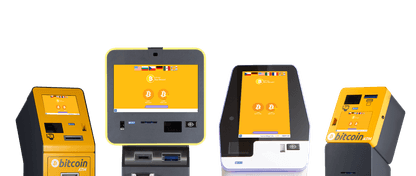
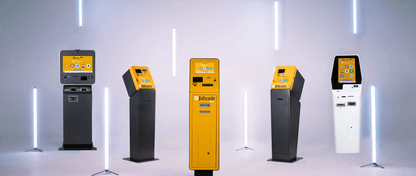
We are applying the same thinking now. For operators running Genmega-based kiosks, the path is immediate: our GMKit is available from stock and lets you migrate that part of your fleet to GENERAL BYTES software right away. For BitAccess-powered BTM SE machines, we are actively evaluating what it would take to adapt our software to the hardware, and we welcome conversations with operators who are weighing their options.
Whatever hardware you are running, the goal is the same: no stranded assets, and a clear path to a compliant, sustainable backend.
What comes next
The bankruptcy process is expected to result in an asset-by-asset sale, including kiosk routes, the BitAccess software and IP, and various other platform assets. This will likely place additional machines on the secondary market at competitive prices. For operators with the right compliance infrastructure in place, this represents a real opportunity to expand.
GENERAL BYTES is ready to support that expansion.
If you are an operator currently running on BitAccess or evaluating your options following Bitcoin Depot's exit from the market, we would like to hear from you.